



Office design is a critical aspect of creating a productive, efficient, and inspiring workplace environment. A well-designed office goes beyond just arranging desks and chairs—it is about optimizing space, enhancing workflow, and reflecting a company’s brand and culture. Modern office interiors prioritize functionality, comfort, and flexibility, incorporating elements such as open-plan layouts, ergonomic furniture, collaborative workspaces, quiet zones, and smart storage solutions. With the rise of hybrid work models, today’s offices are also designed to support both in-person collaboration and remote connectivity through integrated technology and adaptable workstations.
In addition to functionality, aesthetics play a vital role in office design. The use of natural light, and motivating atmosphere.

More about the offices
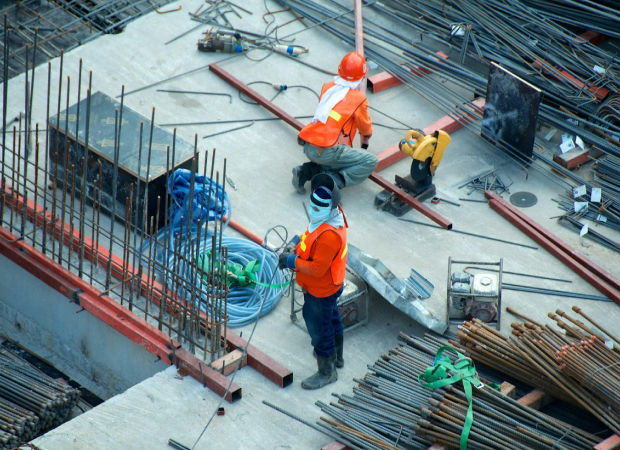
A strong foundation in civil engineering principles, project management, and regulatory compliance is crucial for success in civil contracting. It is a field that not only builds physical infrastructure but also supports economic growth and enhances the quality of life by developing the essential facilities that communities depend on.
Civil contractors handle a wide array of responsibilities, beginning with site evaluation and preparation, followed by earthworks, structural works, and the installation of essential utilities. They coordinate with engineers, architects, surveyors, government bodies, and private clients to bring projects to life in accordance with technical specifications, safety standards, and regulatory requirements. In addition to construction, civil contractors often take on maintenance and renovation of existing infrastructure.
Modern office design also embraces the use of smart technologies such as automated lighting, climate control, and virtual meeting systems to enhance efficiency. A well-planned office environment not only boosts organizational performance but also helps attract and retain top talent.