



Architectural design is a multidisciplinary process that blends creativity, functionality, and technical knowledge to shape the built environment. It encompasses the planning, conceptualization, and execution of structures ranging from residential homes to large-scale commercial and public buildings. At its core, architectural design seeks to balance form and function—ensuring that spaces are not only visually appealing but also practical, safe, and comfortable for their intended use.
Architects must consider a wide range of factors in their designs, including climate, geography, materials, cultural context, and the client’s vision. They use tools like sketches, blueprints, digital modeling, and architectural software to communicate and refine their ideas. Sustainability is also a key aspect of modern architectural design, with a growing emphasis on energy efficiency, the use of eco-friendly materials, and minimizing environmental impact.
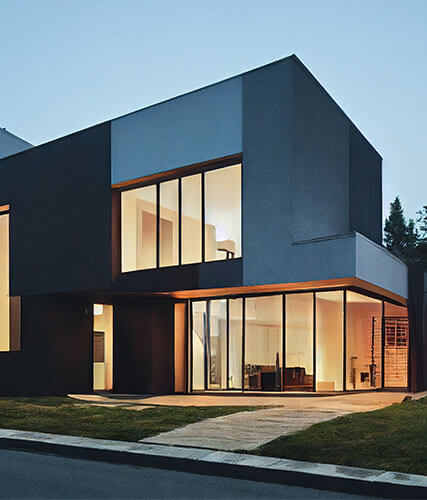
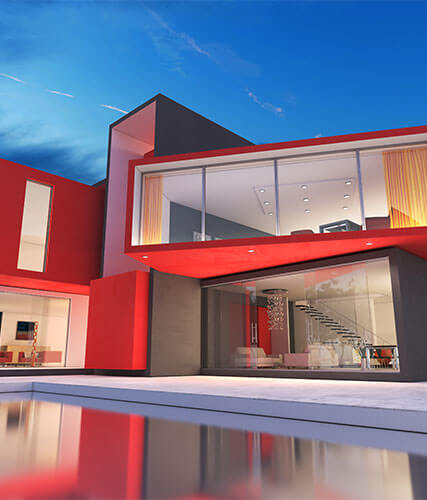
Architectural design is the art and science of planning and creating buildings and structures that are both functional and aesthetically pleasing. It involves the thoughtful arrangement of space, form, materials, and technology to meet the needs of users while harmonizing with the environment. Architects consider factors such as safety, sustainability, cultural relevance, and client requirements to develop innovative and practical solutions. Architectural design is not only about constructing physical spaces but also about enhancing the quality of life through thoughtful and creative design strategies.
Beyond the technical and environmental considerations, architectural design plays a vital role in expressing identity, heritage, and innovation. Buildings often reflect the values and aspirations of the societies that create them. As a result, architecture can inspire, uplift, and transform communities. Through thoughtful design, architects contribute to the functionality, beauty, and legacy of the spaces we inhabit.